

In the pursuit of sustainability and organic gardening, recycling kitchen scraps into the soil has gained popularity. This innovative approach reduces waste while enriching the soil, turning your garden into a thriving oasis. In this guide, we will explore the methodology and benefits of incorporating different kitchen scraps into your garden soil, creating a fertile and productive environment for your plants.
The Science Behind the Scraps
The concept is simple yet incredibly impactful: by burying organic kitchen waste like banana peels, eggshells, and other compostable materials, we reintroduce vital nutrients back into the earth. This practice not only recycles what would have been waste but also enhances the microbial life within the soil, which is crucial for plant growth and soil health.
Some Scraps for Soil Supplementation
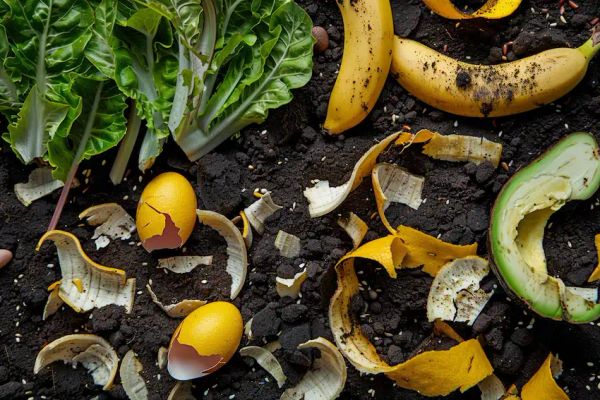
Banana Peels: Rich in potassium, an essential nutrient for plant growth, banana peels decompose rapidly, adding organic matter and feeding the microbial life in the soil. Before burying them, make sure to remove any stickers and potential contaminants to keep your garden purely organic.
Eggshells: These are a rich source of calcium, vital for the development of plant cell walls. Crushed eggshells release calcium into the soil gradually, benefiting plants that are prone to calcium deficiencies. Baking the shells before adding them to the soil can speed up their breakdown for quicker integration.
Avocado Peels: Contrary to initial beliefs, avocado peels decompose more quickly than expected and attract beneficial earthworms to the burial site. Their decomposition contributes positively to the soil’s organic matter content.
Leafy Greens: Acting as a source of nitrogen, leafy greens decompose rapidly, attracting earthworms that aid in decomposition and enhance soil structure and fertility.
Considerations for Certain Scraps
While the scraps mentioned above offer clear benefits, some require careful consideration before inclusion:
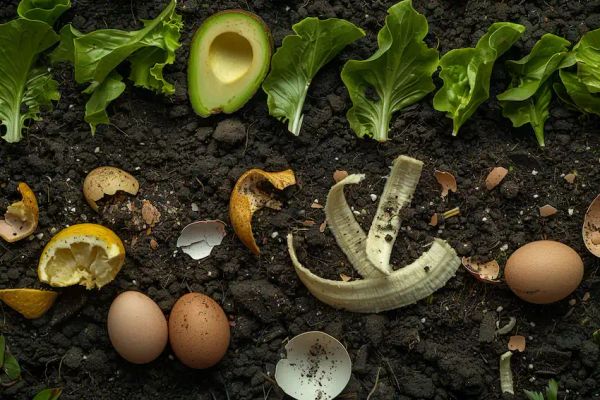
Citrus Peels: Although citrus peels break down over time, their acidic nature does not attract earthworms and can potentially deter them. Composting citrus peels might be a better option than direct soil amendment.
Peanut Shells: Peanut shells decompose slowly and can linger in the garden for a long time. It is not recommended to amend the soil directly with peanut shells because of their longevity, but they can be used as an effective mulch or composted for gradual breakdown.
Onion Peels: Similar to citrus peels, onion peels do not attract earthworms, possibly due to their strong scent or chemical composition. While they do decompose, their direct contribution to attracting beneficial soil life is limited.
The Debate on Animal Products
The incorporation of animal products like eggs and milk directly into the garden is a topic of debate. These products can attract unwanted wildlife or pests and may undergo anaerobic decomposition, creating unfavorable conditions for plant roots by depleting soil oxygen levels. It is recommended to exercise caution and consider controlled composting rather than direct soil amendment for such materials.
Towards a Sustainable Practice
The essence of this gardening philosophy is not only about waste reduction but also about creating a self-sustaining cycle that nourishes the soil and, consequently, the plants. When experimenting with kitchen scraps, always strive to maintain a balance, ensuring that the added materials decompose effectively without attracting pests or creating anaerobic conditions.
Implementing Kitchen Scraps in Your Garden
To start incorporating kitchen scraps into your garden, begin with small quantities of materials known for their beneficial properties and ease of decomposition. Monitor the changes in soil condition, plant health, and wildlife activity to gauge the results. Over time, this practice can evolve into a customized strategy that supports your garden’s specific needs, leading to a lush, vibrant, and sustainable ecosystem.
The journey of transforming kitchen scraps into garden gold is both an art and a science, requiring patience, experimentation, and a commitment to organic principles. By embracing this practice, gardeners not only contribute to the health of their garden but also to the broader environmental movement, reducing waste and promoting a cycle of renewal and growth. Let your garden be a testament to the power of recycling and the abundant possibilities of organic gardening.